How to Choose Solid Core Bifold Doors for Your Home?
When considering home renovations, "Solid Core Bifold Doors" have gained popularity due to their aesthetic appeal and functionality. Recent market studies indicate that solid core doors offer superior durability and noise insulation compared to hollow core options. According to the Door and Frame Manufacturers Association, solid core doors can reduce sound transmission by up to 30%. This is crucial for homeowners seeking tranquility in their personal spaces.
Visual appeal is another significant factor. Solid core bifold doors can enhance natural light, creating an open and welcoming environment. A report from Home Design Magazine highlights that homes featuring bifold doors can see a 15% increase in overall property value. However, with numerous materials and styles available, making informed choices can be overwhelming.
It's essential to balance aesthetics with practicality. Not all solid core bifold doors are created equal; factors like material quality and installation can impact long-term satisfaction. Being aware of potential drawbacks, like higher costs and maintenance, is crucial in the decision-making process.
Factors to Consider When Selecting Solid Core Bifold Doors for Homes
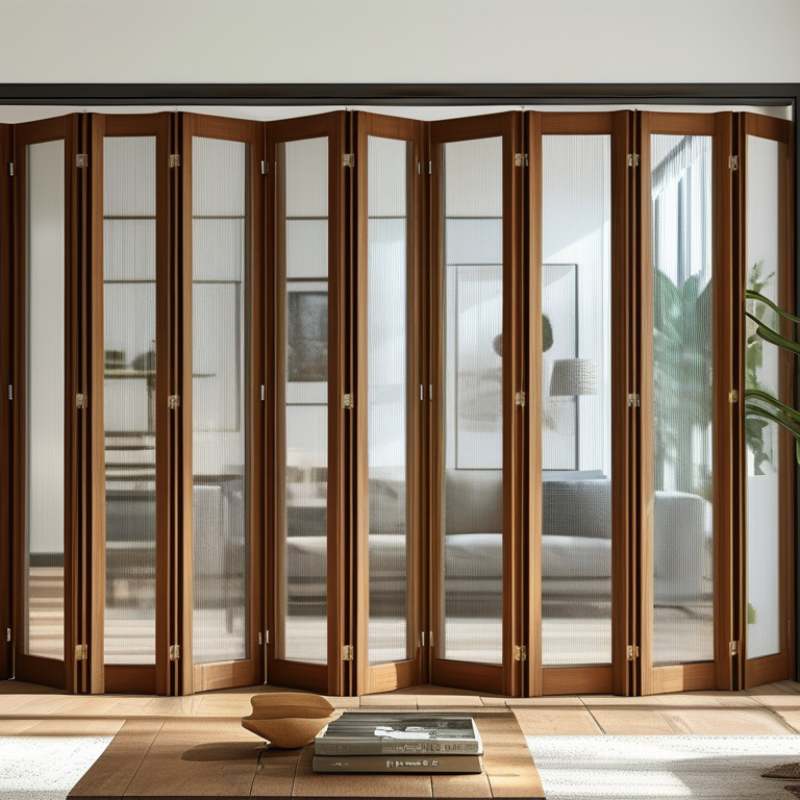
When selecting solid core bifold doors, several factors must be considered to ensure a good fit for your home. First, assess the space where the doors will be installed. Measure the doorframe accurately. The height and width are crucial. A door that’s too large can cause operational issues. Visibility and light access are also significant. Choose doors that enhance natural light while providing privacy.
Material quality plays a pivotal role. Solid core doors offer better insulation and soundproofing compared to hollow ones. Think about the finish and style as well. A well-finished door complements your home’s design. However, it’s easy to overlook the importance of maintenance. Some finishes require periodic care, which can be a hassle.
Finally, consider the hardware options. Hinges and handles impact both functionality and aesthetics. Selecting durable accessories is essential for longevity. Don't forget to reflect on your lifestyle needs. A solid core bifold door might require more effort to open in tight spaces. Balancing style with practicality can often lead to tough choices. Each detail matters in this decision-making process.
Understanding Different Materials Used in Solid Core Bifold Doors
When considering solid core bifold doors, material selection is crucial. Solid core doors typically feature a dense core, providing durability and excellent sound insulation. Common materials for these doors include hollow-core wood, MDF, and solid wood. Each option has its pros and cons, affecting both aesthetics and functionality.
Hollow-core wood doors offer an affordable choice. They mimic the look of solid wood but are lighter. However, they may not provide the same level of insulation or longevity. On the other hand, MDF doors are smooth and can be easily painted. They resist warping but may not withstand heavy impacts as well as hardwood. Solid wood doors are undeniably stunning. They provide superior durability and insulation, but they can be expensive and heavy.
Choosing the right material also involves considering your climate. High humidity, for instance, could affect the longevity of wooden materials. This can lead to warping or damage over time. Reflect on the environment your doors will face. Evaluate your lifestyle needs as well; thick solid core doors require proper framing for installation. Every choice has its trade-offs, and understanding them ensures you select the best bifold doors for your home.
Evaluating Energy Efficiency Ratings of Solid Core Bifold Doors
When choosing solid core bifold doors, understanding their energy efficiency ratings is crucial. Energy efficiency ratings help assess how well a door can reduce energy loss. Look for doors with high ratings, as they often indicate superior insulation. Consider the U-factor, which measures heat transfer; lower values are better. The Solar Heat Gain Coefficient (SHGC) is also important. A lower SHGC means less heat enters your home in summer, keeping temperatures comfortable.
Tips for selecting energy-efficient doors include checking for dual glazing. Dual-glazed options provide better insulation than single-layered doors. Additionally, look for doors with weatherstripping, which minimizes drafts. Using doors made from sustainable materials can also enhance energy efficiency.
Reflect on your home’s climate when making a choice. High-energy efficiency ratings may not suit every environment. Sometimes, aesthetic preferences may guide your decision away from optimal energy choices. Balancing looks and efficiency is challenging, yet vital for your home's comfort and energy bills. Make sure to research thoroughly before finalizing your selection.
Energy Efficiency Ratings of Solid Core Bifold Doors
How to Measure Your Space for Proper Solid Core Bifold Door Installation
Measuring your space is a critical step for installing solid core bifold doors. Accurate measurements ensure a perfect fit and enhance the aesthetic of your home. Start by measuring the door frame's height and width. Use a tape measure for precision. Remember to check both the top and bottom of the frame. Uneven floors can affect the door's performance.
Consider the space around the door. You'll need room for the doors to fold open without obstruction. Take note of any fixtures or furniture nearby. This way, you can avoid potential interference when the doors are in use. If your measurements reveal any inconsistencies, revisit your calculations. It’s crucial for a seamless installation.
When in doubt, double-check your measurements. It’s better to measure twice and cut once. Also, visualize how the new doors will fit in with your decor. Try to picture if they will complement your existing color scheme. Take your time to ensure that your choices reflect your style and functionality needs. Making these considerations will lead to a more satisfying result.
Comparative Costs of Solid Core Bifold Doors: Budgeting for Your Project
Choosing solid core bifold doors for your home can be an exciting yet overwhelming task. When assessing costs, budgeting is essential. Solid core bifold doors often range from $150 to $600 each, depending on the material and design. Custom options can drive prices higher, especially if you opt for unique finishes or hardware. Consider your overall project budget before making a selection.
Installation costs are another factor. You might pay between $100 and $300 for professional installation. DIY installation could reduce costs but requires more time and skill. Be realistic about your abilities. Additionally, factor in the long-term benefits of solid core doors, including insulation and noise reduction, which might justify initial expenses.
Don’t overlook potential hidden costs, such as permits or structural adjustments needed for installation. Research suppliers thoroughly. Quality varies significantly, and it's important to find reputable sources. Remember, investing a bit more in quality can save you money on repairs in the future. Reflect on your choices and the overall value they bring to your home.