Wooden Aluminium Door Buying Tips for Global Importers?
When considering the purchase of Wooden Aluminium Doors, global importers must navigate various factors. The fusion of wood and aluminium offers a unique aesthetic and functional appeal. However, selecting the right product can be challenging.
Quality is paramount. Importers need to focus on the sourcing of materials. Are the wood and aluminium durable? Importing from reputable suppliers can ensure reliability. Additionally, understanding local preferences can elevate competitiveness in different markets.
One must also reflect on cost versus value. Cheap options may lead to future issues. Consider the long-term benefits of well-made Wooden Aluminium Doors. Each decision made shapes business reputation and sustainability. Empirical insights can guide importers toward successful selections.
Understanding Different Types of Wooden Aluminium Doors for Import
When exploring wooden aluminium doors, understanding the types available is crucial for informed sourcing. These doors typically come in two main variants: solid core and hollow core. Solid core doors offer robust insulation and soundproofing. Their durability makes them ideal for high-traffic areas. In contrast, hollow core doors are lighter and more affordable. They might suffice for less demanding applications, but their insulation capabilities are limited.
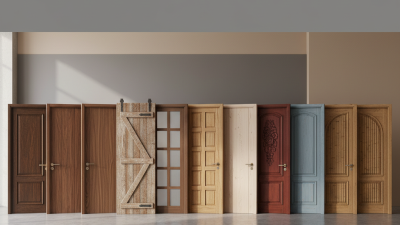
Importers should also consider the finish options available. Some doors feature natural wood grains, showcasing elegance. Others come with synthetic finishes for easy maintenance. Each choice impacts the door's aesthetics and durability. Think about where the door will be used and its environmental exposure. A solid wood finish might not hold up well in humid conditions, leading to warping or peeling.
In terms of sourcing, it’s important to reflect on local availability. Not all designs might be accessible, which could affect the supply chain. Ensure your supplier understands your quality requirements and can meet industry standards. Communication is essential. Establish clear expectations about delivery times and material certifications. By doing so, you can avoid pitfalls and ensure a smooth importing experience.
Evaluating Suppliers: Key Factors for Global Importers
When evaluating suppliers for wooden aluminium doors, importers must consider several key factors. An experienced supplier demonstrates a solid track record in delivering quality products. Look for suppliers with positive reviews and case studies. Their expertise can significantly influence your purchasing decisions.
Tip: Always request samples before placing large orders. This helps assess the material quality and craftsmanship. It can be a way to gauge the supplier’s attention to detail. Clear communication plays a vital role in how smoothly transactions proceed. Asking questions about their production processes can reveal much about their reliability.
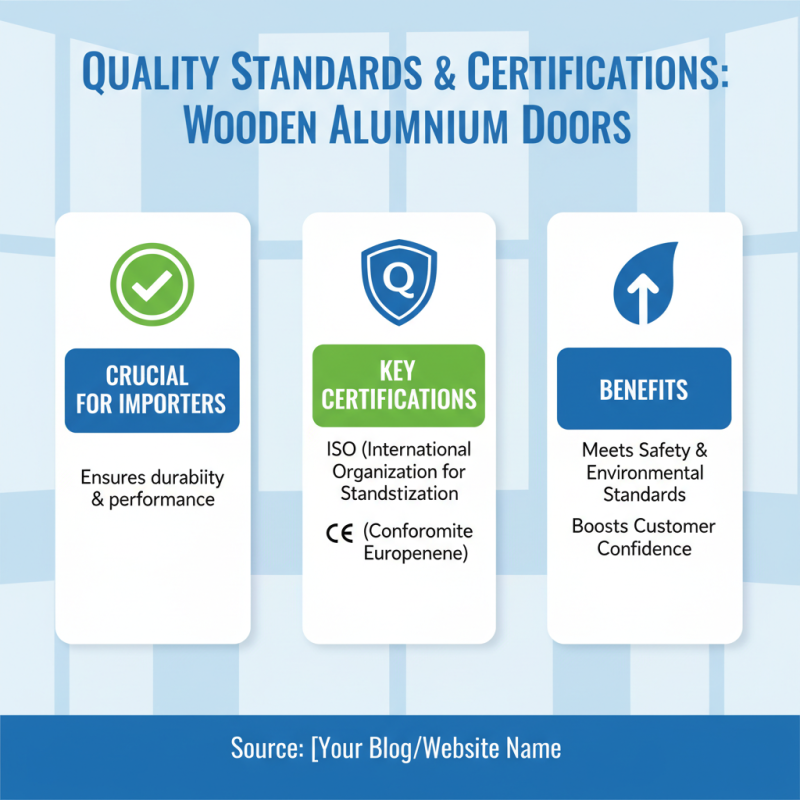
Additionally, examine the supplier’s certifications. Quality assurance is paramount in this industry. Valid certifications signify adherence to international standards. However, keep an eye out for discrepancies. Sometimes, suppliers may provide outdated documents or misrepresent their compliance. Building a trustworthy relationship hinges on transparency. Regularly visiting the supplier can also help to ensure consistent quality and service.
Wooden Aluminium Door Buying Tips for Global Importers
| Supplier Location |
Product Quality Rating |
Minimum Order Quantity |
Delivery Time (Days) |
Payment Terms |
Customer Support Rating |
| China |
4.5/5 |
500 units |
30 days |
30% upfront, 70% on delivery |
4/5 |
| Vietnam |
4.3/5 |
300 units |
25 days |
50% upfront, 50% on delivery |
4.2/5 |
| Turkey |
4.0/5 |
400 units |
40 days |
100% on delivery |
3.8/5 |
| India |
4.6/5 |
200 units |
20 days |
40% upfront, 60% on delivery |
4.5/5 |
| Brazil |
4.1/5 |
150 units |
35 days |
50% upfront, balance after inspection |
4.0/5 |
Cost Considerations: Pricing Strategies for Wooden Aluminium Doors
When global importers consider wooden aluminium doors, pricing strategies play a crucial role. The market for these doors continues to grow, driven by their durability and aesthetic appeal. According to a recent industry report, wooden aluminium doors account for about 25% of the total door market, emphasizing their rising popularity.
Cost varies widely based on materials and design complexities. Simple designs may start at around $200, while custom options can exceed $1,000. It is essential to factor in the costs of shipping, tariffs, and local market prices, which vary by region. Misjudging these expenses can lead to significant financial setbacks. A study found that 30% of importers underestimated landing costs, impacting overall profitability.
Importers should also be aware of quality versus price. While cheaper options exist, they often sacrifice durability and performance. A report indicated that premium wooden aluminium doors lead to lower maintenance costs over time, ultimately providing better value. It's worth reflecting on how immediate savings can turn into long-term expenses. As important as cost is, understanding the overall value is imperative for successful procurement.
Wooden Aluminium Doors: Cost Considerations for Global Importers
Logistics and Shipping Tips for Importing Wooden Aluminium Doors
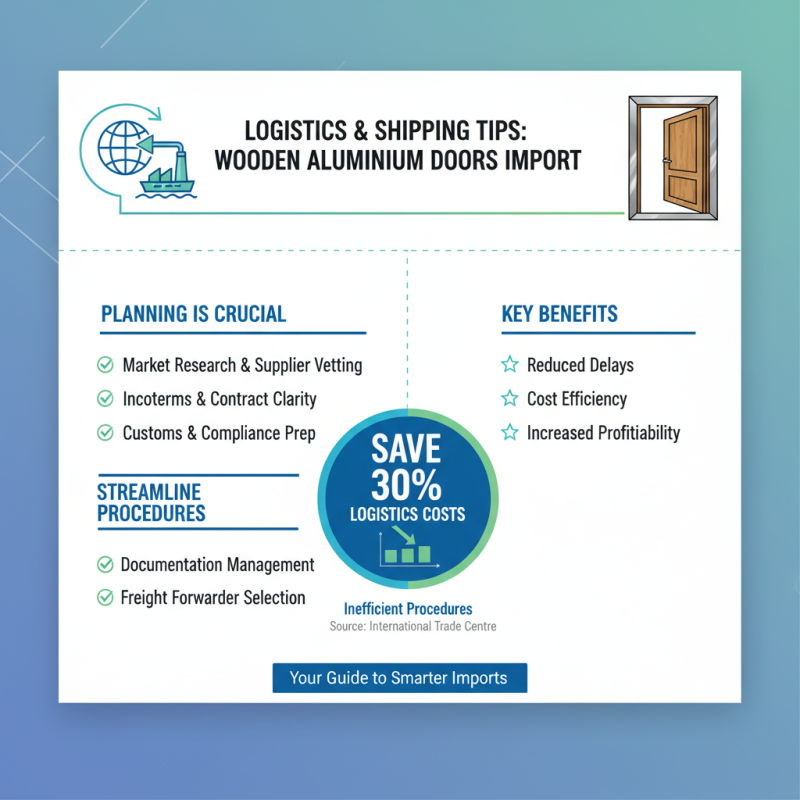
When importing wooden aluminium doors, effective logistics and shipping are crucial. Emphasizing careful planning can prevent delays and extra costs. A report from the International Trade Centre highlights that 30% of logistics costs are driven by inefficient procedures. Streamlining these steps is vital to maintaining profitability.
Understanding shipping methods is equally important. Ocean freight is often the most cost-effective choice for large shipments. However, air freight can be beneficial for smaller, urgent orders. According to Statista, air freight costs can be up to four times higher than ocean freight. Assess your needs to choose wisely.
Additionally, customs regulations can slow down your supply chain. Familiarize yourself with the specific rules for importing wooden aluminium doors. The World Customs Organization provides guidelines that may help. Delays due to paperwork can reflect poorly on your efficiency, so ensure compliance to avoid complications. Transporting these doors presents unique challenges but also opportunities for growth.