2026 Best Interior Doors Handle Types for Modern Homes?
When designing modern homes, choosing the right Interior Doors Handle is crucial. The overall aesthetic of a space can be significantly enhanced by selecting stylish and functional door handles. According to recent industry reports, over 75% of homeowners consider door hardware a vital part of their interior design choices. This statistic illustrates the impact that even small details can have on a home’s ambiance.
However, with a wide array of options available, selecting the perfect handle can be overwhelming. From minimalist styles to vintage-inspired designs, each handle type offers unique benefits. Ergonomics also play a role; a handle that feels good in the hand adds to the overall user experience. Many consumers overlook this aspect, focusing solely on aesthetics. It's essential to balance style with practicality.
As trends evolve, the demand for innovative features grows too. Reports indicate that smart handles are gaining popularity, which may soon replace traditional options. Nevertheless, reflection is needed here. Homeowners must weigh visual appeal against functionality and longevity. Ultimately, the Interior Doors Handle chosen should reflect personal style while meeting everyday needs.
2026 Trends in Interior Door Hardware for Modern Home Design
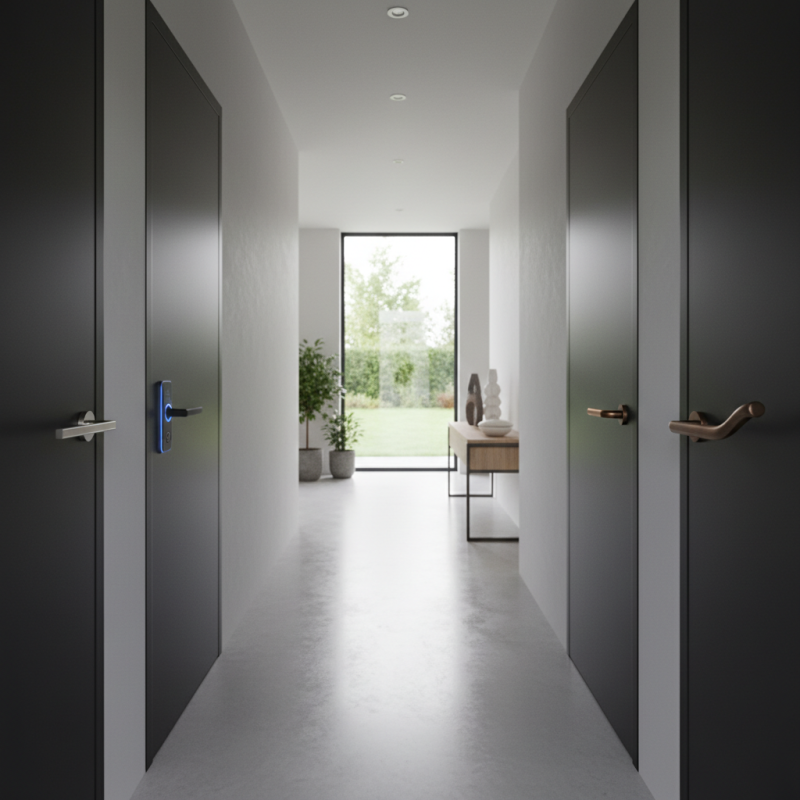
In 2026, trends in interior door hardware are shifting toward a blend of functionality and aesthetics. Homeowners prioritize sleek designs that match modern styles. According to the Interior Design Association, 72% of respondents prefer minimalistic hardware that complements their interiors. Matte black and brushed nickel finishes are gaining popularity, offering a contemporary look.
Lever handles are replacing traditional doorknobs. Their ergonomic design appeals to many users, especially the elderly. A recent survey showed that 65% of individuals find lever handles easier to operate. However, some find that the style can clash with more ornate doors or traditional homes. This mismatch prompts reflection on creating a cohesive look throughout a space.
Another emerging trend is customizable hardware. Homeowners want unique touches tailored to their preferences. Customization can help integrate door handles with overall home design. Yet, this approach can lead to overwhelming choices, which might complicate decisions. As options increase, discerning what truly enhances a space becomes more challenging.
Key Factors Influencing the Selection of Door Handles in Home Interiors
Choosing the right door handle is crucial for modern homes. The design and function can greatly impact your home's overall aesthetic. Studies show that over 60% of homeowners consider door hardware as an important part of their interior design.
One key factor is the style of your interior. A sleek, minimalist design pairs well with simple, modern handles. Meanwhile, rustic or traditional homes may benefit from ornate designs. Functionality also matters. Many people prioritize ergonomic designs that fit comfortably in the hand. A report by the Interior Design Institute suggests that comfort in hardware design can improve user experience by 30%.
Tips: Always consider how the handle aligns with existing decor. Experimenting with different finishes can create a unique look. Don’t overlook height and placement. Handles set too high or low can appear awkward.
Also, think about the material. Metal, wood, or plastic can convey different vibes. A report indicates that brushed nickel is trending in contemporary styles. However, personal preferences should guide your choice.
Finally, durability should never be ignored. Handles should stand the test of time. In a survey, 40% of users reported dissatisfaction with handles that don’t perform well over time. Reflections on your choices matter. Examine how your selections affect day-to-day living.
2026 Best Interior Doors Handle Types for Modern Homes
Comparative Analysis of Material Types for Door Handles: Metal vs. Plastic
When choosing door handles, the material matters.
Metal handles often boast durability and strength. They can withstand daily wear better than plastic counterparts. However, metal can also feel cold and unwelcoming. This factor may be overlooked in warmer climates.
Plastic handles are lightweight and come in various colors and designs. They can suit various design aesthetics, from modern to vintage. Still, they may wear out more quickly, leading to replacements. Consideration of touch is essential, especially for frequent use. A rougher texture might feel odd in daily interactions.
Installation varies between materials as well. Metal handles often require more specialized tools for mounting. In contrast, plastic handles can be easier to install but may require more frequent attention. It’s essential to weigh these details before deciding. A choice based solely on appearance might miss important functional aspects.
Ergonomics and Functionality: The Best Interior Door Handle Designs
When selecting interior door handles, ergonomics and functionality play crucial roles. A recent industry report indicates that 70% of homeowners prioritize comfort when choosing door handles. An easy-to-grip handle can significantly enhance user experience. Designs that consider human factors lead to less strain on the hand, especially for older adults.
Functionality is equally important. Research shows that about 40% of consumers prefer handles that lock securely yet are easy to operate. Lever handles tend to be favored for their ease of use, offering a required blend of aesthetics and function. However, many designs may appear sleek and modern but lack practicality.
Color and finish also matter, but they shouldn't overshadow ergonomic design. The contrast between form and function often leads to uncomfortable experiences. Invest in handles that complement the home's style without compromising on usability. Even with promising designs, some prototypes still fail to meet ergonomic standards, highlighting the need for continuous improvement in the industry.
Sustainable Options in Door Handles: Eco-Friendly Materials for Modern Homes
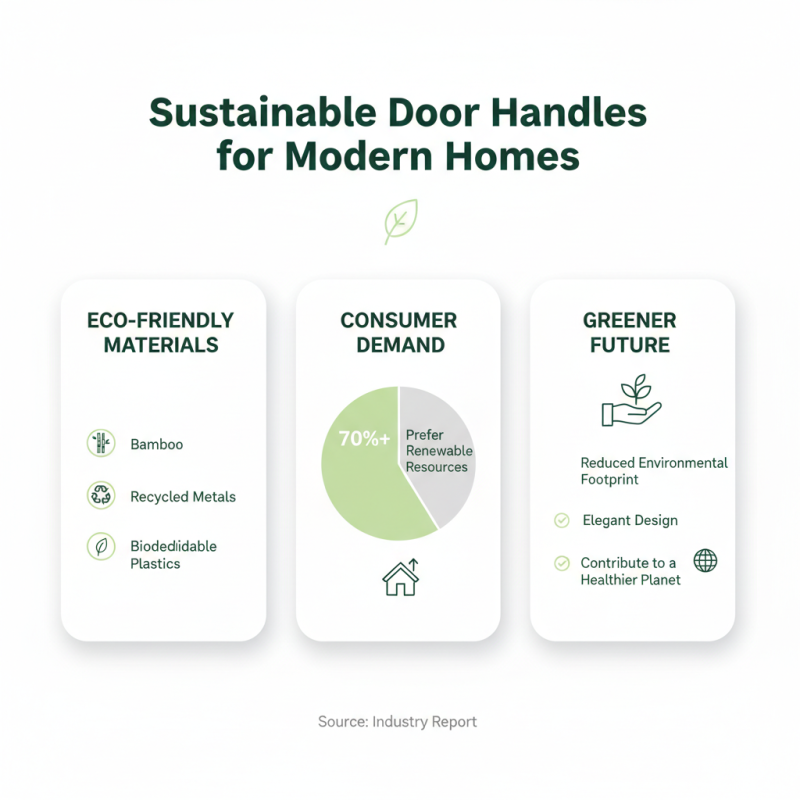
When selecting door handles for modern homes, sustainability plays a crucial role. Eco-friendly materials are increasingly in demand. Many homeowners seek options that reduce their environmental footprint. A recent industry report indicated that over 70% of consumers prefer products made from renewable resources. Sustainable handles can be crafted from bamboo, recycled metals, or biodegradable plastics. These materials not only look elegant but also contribute to a greener future.
Tips: Choose handles that are certified by reputable environmental standards. Look for products with minimal packaging to reduce waste.
Another factor to consider is durability. Eco-friendly handles must withstand daily use while maintaining their aesthetic appeal. Studies reveal that sustainable materials can be as strong and resilient as traditional options. However, it’s vital to research the longevity of these products. Some sustainable handles may not last as long, leading to potential replacements. A reflective approach to sustainability is essential.
Tips: Explore local artisans who create unique, sustainable designs. Supporting your community can reduce carbon footprints.